


Funding Your Composting Project
Affordable, Scalable, and Supported Every Step of the Way
Sustainable Generation® makes financing your composting facility easier with expert guidance, proven ROI, and access to grants and incentives. Our systems offer the lowest total cost of ownership in the industry and can often pay for themselves through operational savings, revenue from tipping fees, and compost sales.
Key Financial Benefits
-
Strong ROI
Reduce labor, energy, and maintenance costs. Increase throughput, avoid fines, and generate new revenue streams.
-
Grant & Incentive Support
We help you identify and apply for local, state, and federal funding programs (e.g., USDA, EPA, CalRecycle) supporting composting infrastructure and reducing GHG.
-
Flexible Financing Options
Access low-interest loans, leasing options, and purchase structures that match your budget and project size.
-
Carbon Credits & Additional Revenue
SG systems significantly cut methane emissions, creating the potential for carbon offsets and bonus income from high-quality compost.
-
Expert Guidance
From grant applications to ROI modeling, our team provides the data, documentation, and support to help secure funding and move your project forward.
-
Minimal Labor
No turning needed, reduced odor and fuel use
-
All Feedstocks, All Climates
Reliable in any weather, with any material
-
Low Energy Use
Runs on standard power with minimal maintenance
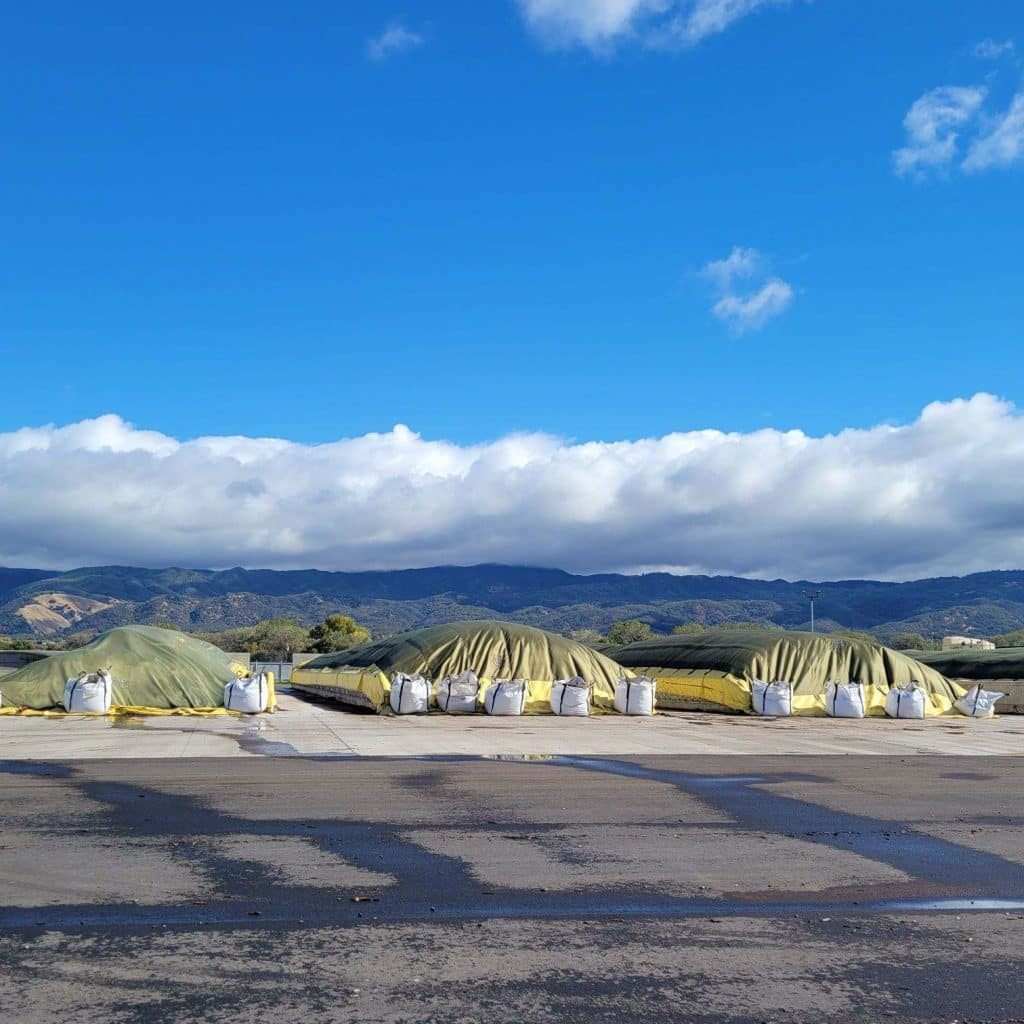
With Sustainable Generation, you get more than advanced technology—you gain a partner committed to helping you launch your project affordably and successfully.
-
Modular, scalable technology capable of processing food waste, yard waste, green waste, biosolids and other organic materials
-
Up and running the day equipment arrives on-site
-
Designed for batches starting at 10 tons, with custom sizes available to match any project
Our SG Advanced Composting™ Technology Solutions Deliver...
The Sustainable Generation® (SG) team fully supports you through design, configuration, on-site support, and operational support. A quality product that meets all regulations, with a report to prove it, is all part of the SG BUNKER® System offering. With SG’s expertise and guidance, the entire process is simple, fast, economical, and efficient.

Operational Efficiency
- Low Energy Consumption
- Simple To Operate
- Effective In All Climates
- Varied Inputs & Feedstocks
- Automatic Moisture Management
- Compost Quality Control
- Reduced Treatment Costs Per Ton
Balanced Cost/Performance Ratio
- The lowest total cost of ownership
- Treatment costs per ton are lower compared to other systems and treatment methods (Florence KJ Study 2010)
- Energy consumption during composting phase: 2 kWh/t Input Material
Regulatory Compliance
- Designed to meet EPA Part 503 PFRP requirements
- VOC reduction >95%
- Odor reduction >90-99%
- Storm water Leachate Management
- Regulatory Compliance Management
- Separates stormwater from leachate and process water
Scalability
- Flexible, Modular Design
- Small Footprint & Large Throughput
- Scale Up From As Little As <10 TPW
Digestate Featured Projects

Goleta, CA – Santa Barbara County, California USA
Location: Goleta, California
System: SG MOBILE® System with GORE® Cover
Feedstock: Anaerobic Digestate Residuals
Tons/Year: 300+ TPD
Highlight: These outcomes validated the SG MOBILE® System’s capabilities, proving its efficiency in transforming organic waste into high-quality compost while mitigating environmental impacts.

Arthur, Ontario – Walker All Treat Farms
Location: Arthur, Ontario Canada
System: SG BUNKER® Systems with GORE® Cover
Feedstock: Source Separated Organics, AD Digestate, Yard & Green Waste
Tons/Year: 200,000 TPY
Highlight: Unique to the Sustainable Generation Compost Control System are features to make the operation of the facility run smoother while optimizing the process control for the highest quality output material.
Our Blog
Projects, Technology, and News
Explore our blog to discover more about our projects, technology advancements, and exciting news.
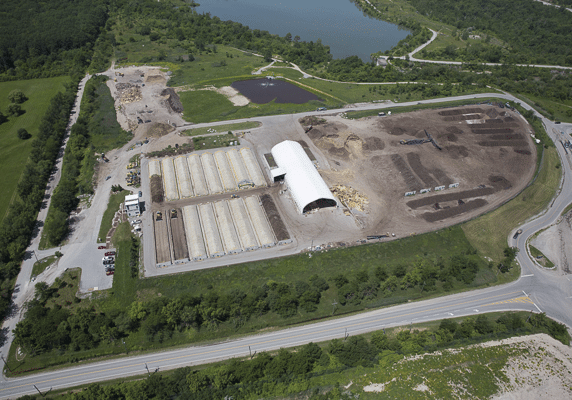
Speed Gets Attention. Consistency Keeps the Facility Running.
Speed Gets Attention. Consistency Keeps the Facility Running. Processing speed is one of the…
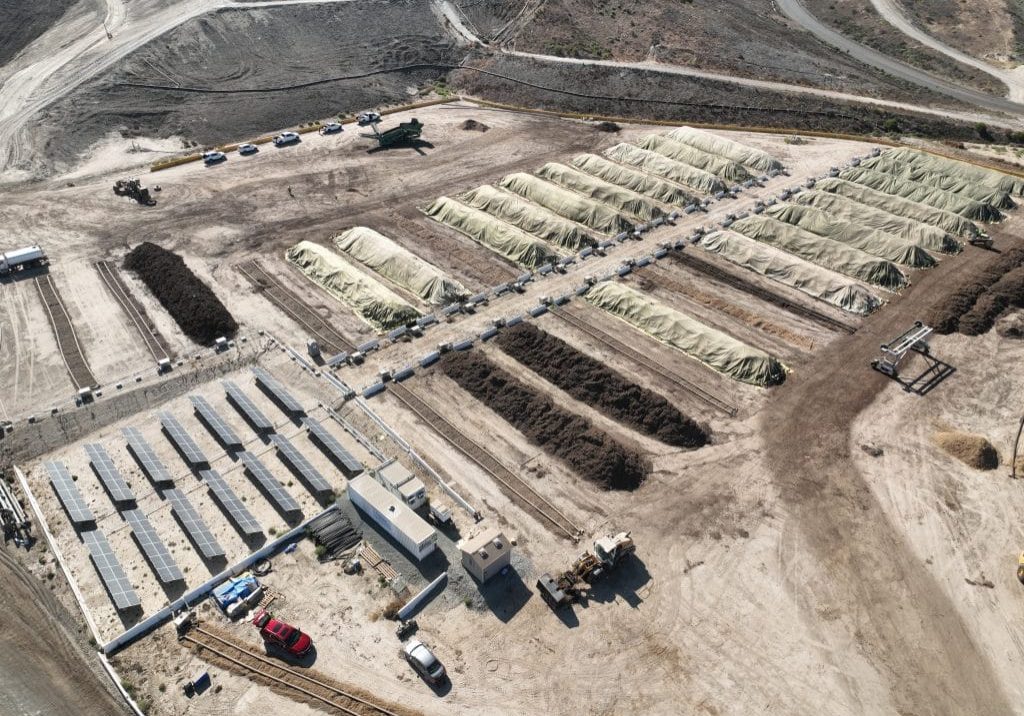
A New Perspective on Mobile Organics Processing: The Untapped Potential of SG Mobile®
A New Perspective on Mobile Organics Processing: The Untapped Potential of SG Mobile® Most…
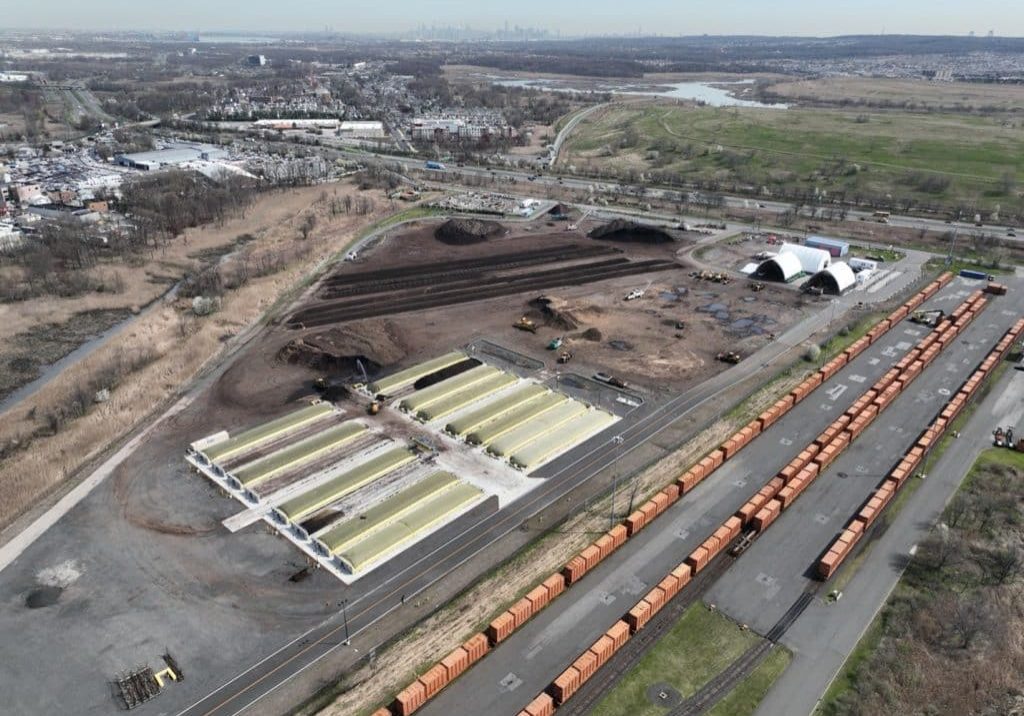
Air Quality Rules Are Reshaping Compost Facility Design
Air Quality Rules Are Reshaping Compost Facility Design Air quality rules are becoming a…

Part 3: Composting Technology as a Long-Term Pollution Control, Cost, and Regulatory Risk Decision
Part 3: Composting Technology as a Long-Term Pollution Control, Cost, and Regulatory Risk Decision…

PART 2: What Happens After Startup: How Technology Choices Drive Performance and Risk in Year 1, Year 5, and Year 15
PART 2: What Happens After Startup: How Technology Choices Drive Performance and Risk in…
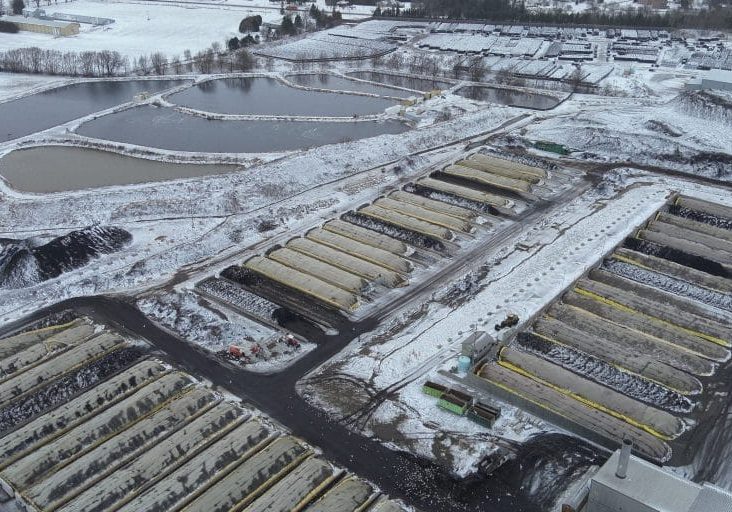
PART 1: COMPOSTING INFRASTRUCTURE DECISIONS THAT HAUNT BUDGETS FOR DECADES
PART 1: COMPOSTING INFRASTRUCTURE DECISIONS THAT HAUNT BUDGETS FOR DECADES Across the globe, a…

Celebrating the Season Without Wasting It
Celebrating the Season Without Wasting It The holiday season brings full tables, festive decor,…
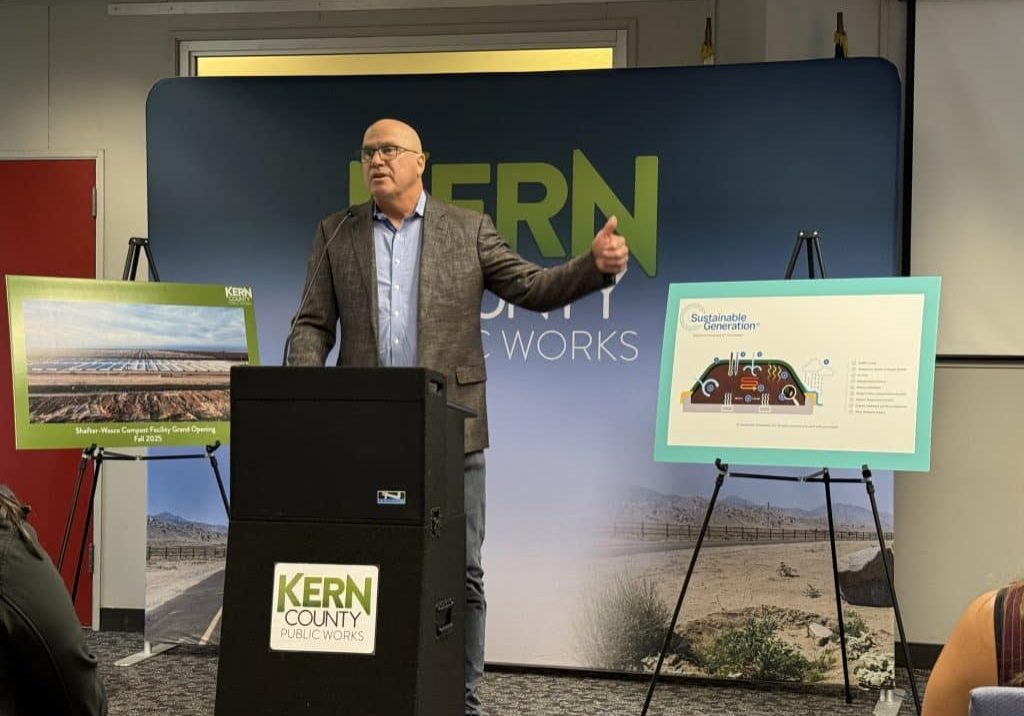
Building a Greener Future Together: Kern County Launches SG-Powered Compost Facility
Sustainable Generation is proud to celebrate the grand opening of the Shafter-Wasco Compost Facility in Kern County, California…
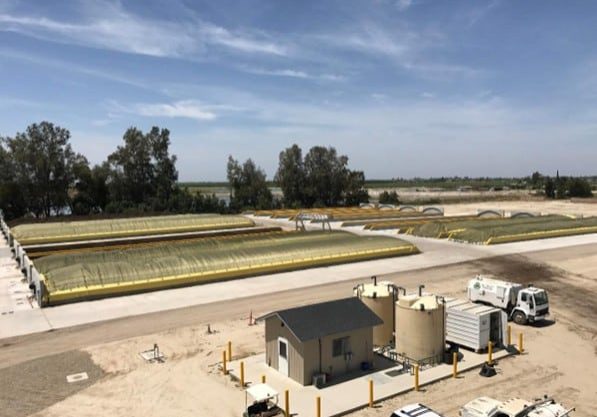
Making Waves, the Membrane Covered ASP Composting Tsunami
ASP composting relies on forced aeration to maintain aerobic conditions and optimize biological activity. There are two primary methods: negative aeration and positive aeration with temperature feedback.
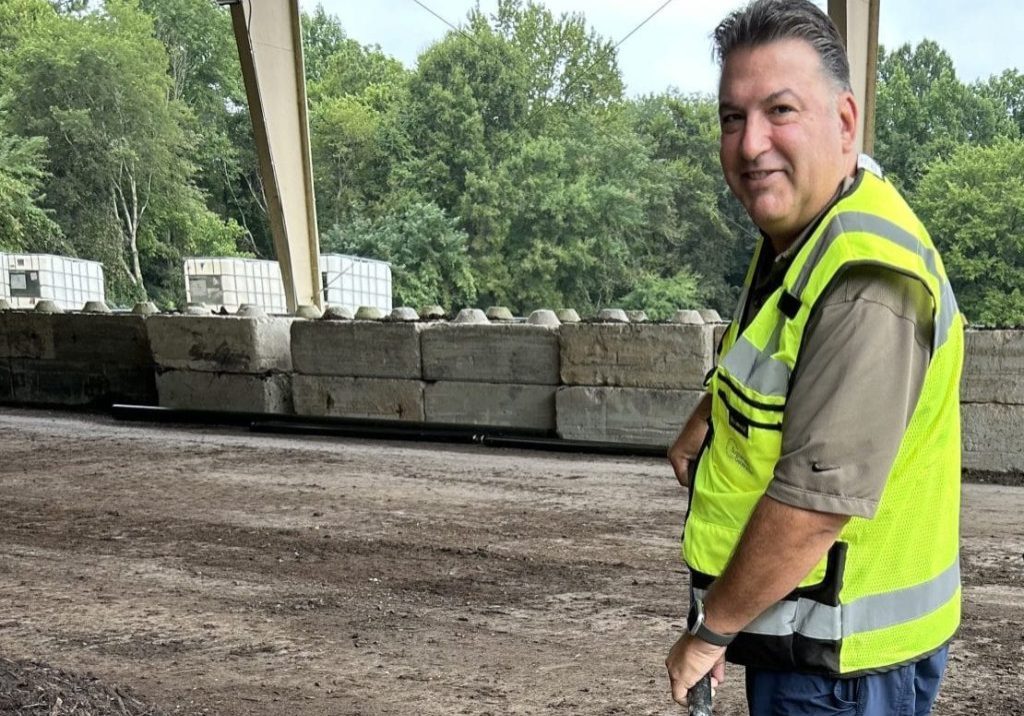
INTERVIEW WITH A BIOSOLIDS EXPERT
Biosolids expert Dan Collins, P.E., shares insights on safe, efficient composting.
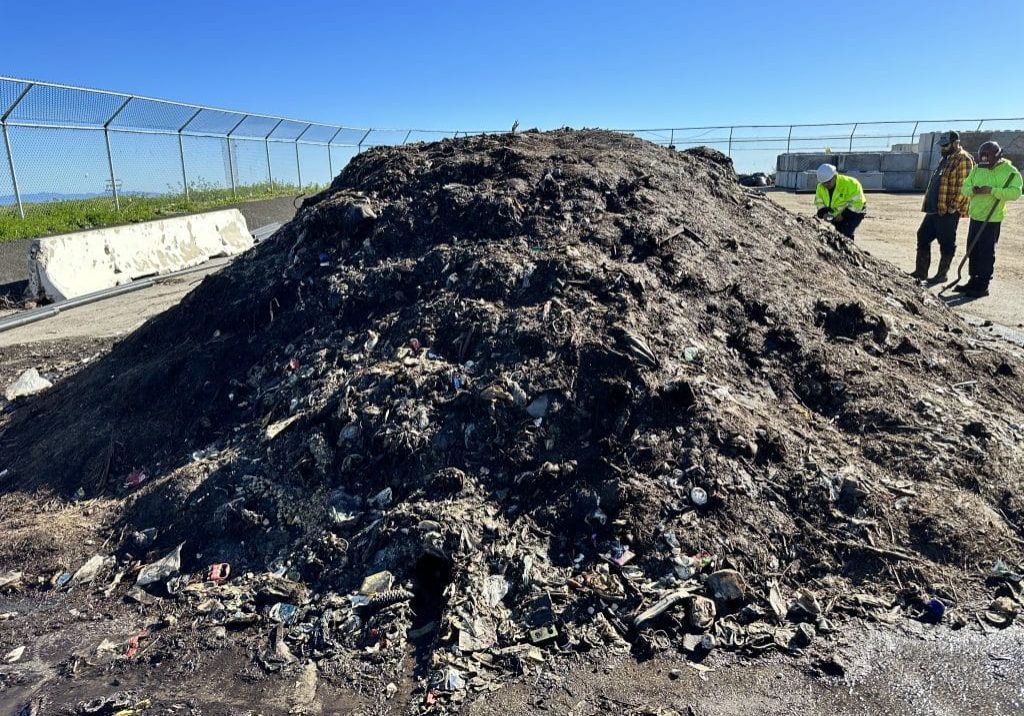
Summary of Performance GORE® Cover and Negative ASP
GORE® Cover was evaluated to quantify the performance versus an existing negatively aerated static pile.
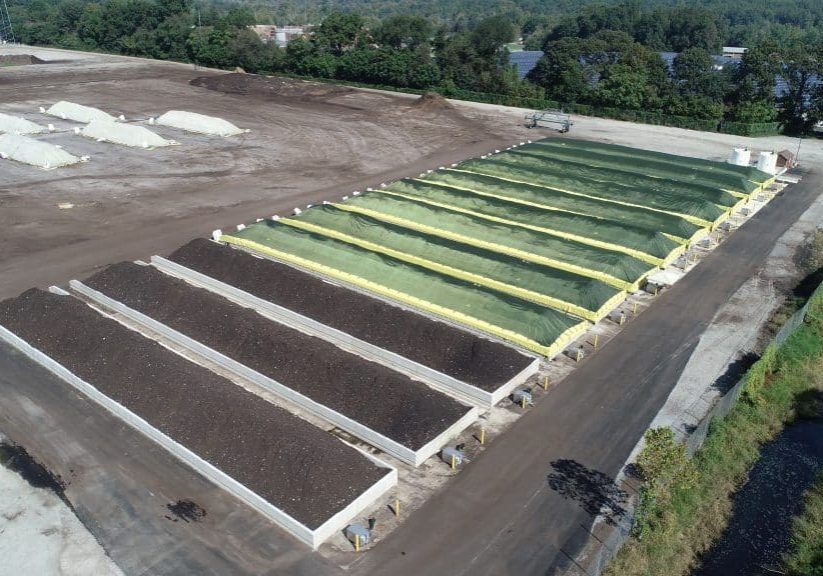
Composting Facility Delivers Significant Environmental Protection
The East Coast’s largest food waste composting site processes 57,000 tons of organics annually.
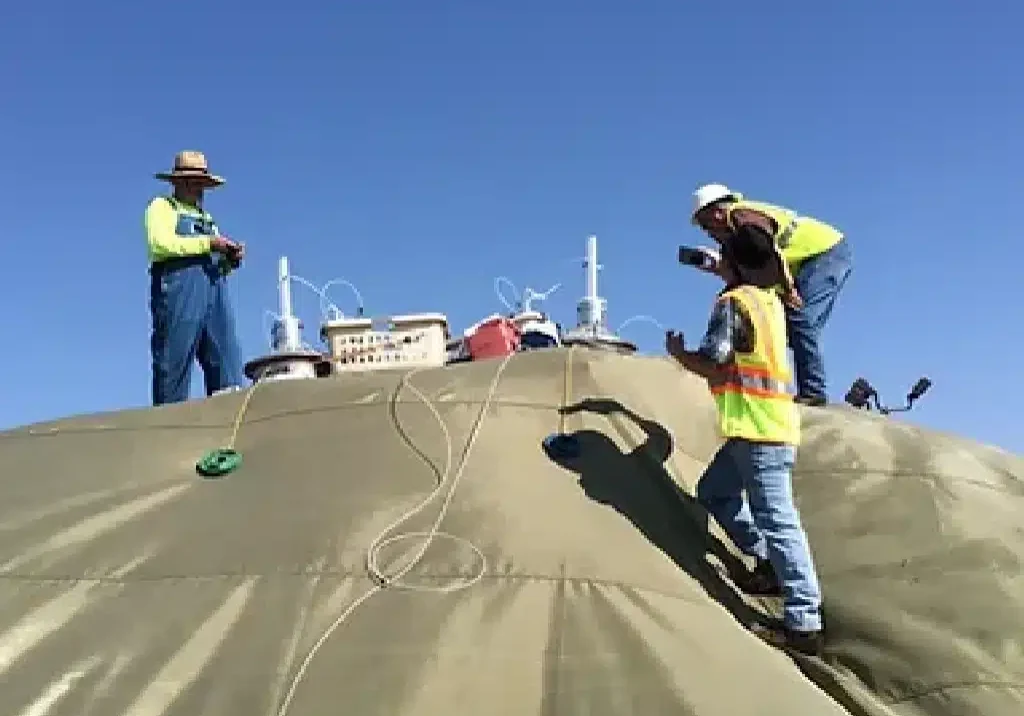
Exceeding Air Quality VOC Emission Regulatory Compliance in California
SG systems consistently meet and exceed California air quality regulations.
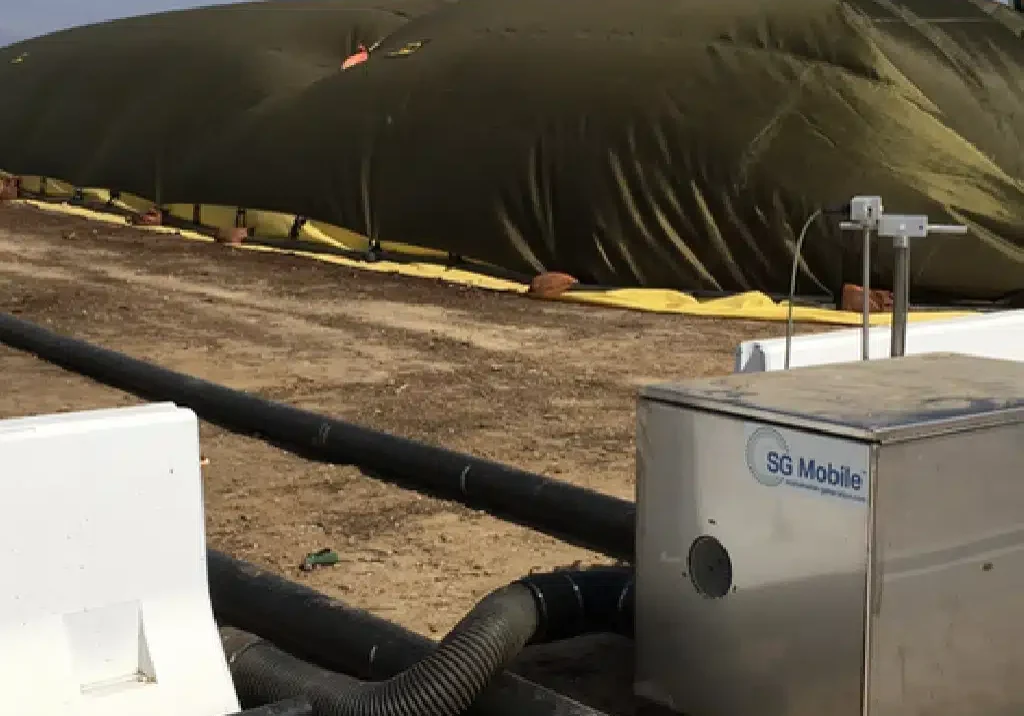
Positive ASP Composting: the Future of Organics
Two of the biggest issues faced by commercial composting operators are emissions (odor and VOCs) and moisture management.
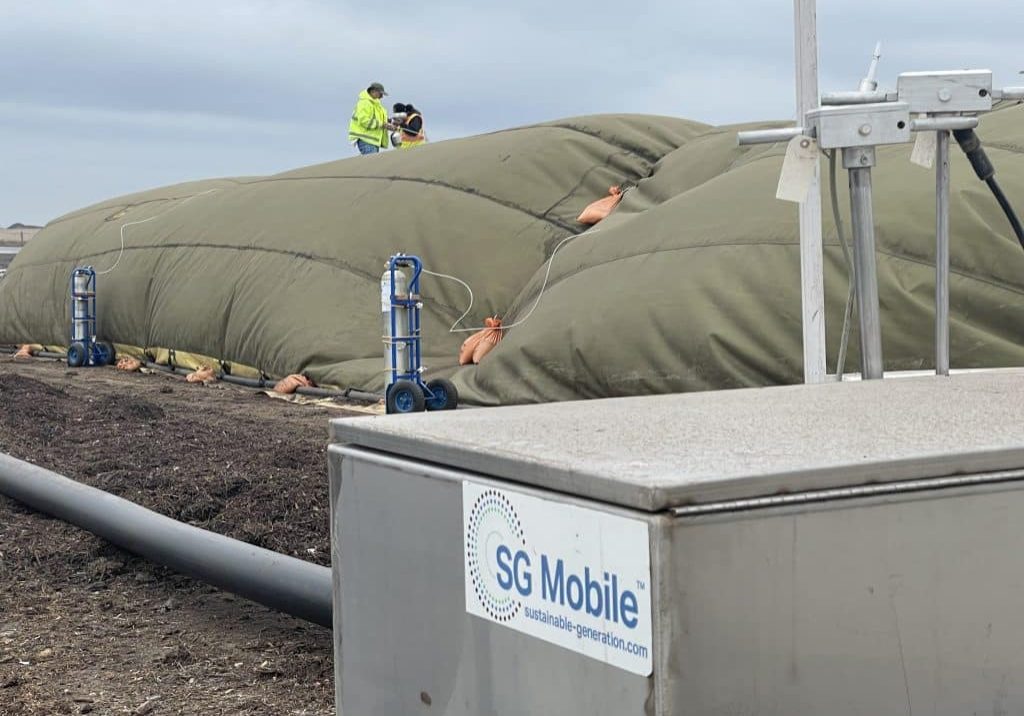
Proven Results: Over 20 Years Reducing Odors and Emissions in California
Sustainable Generation, LLC and the GORE® Cover have a long track record of success.
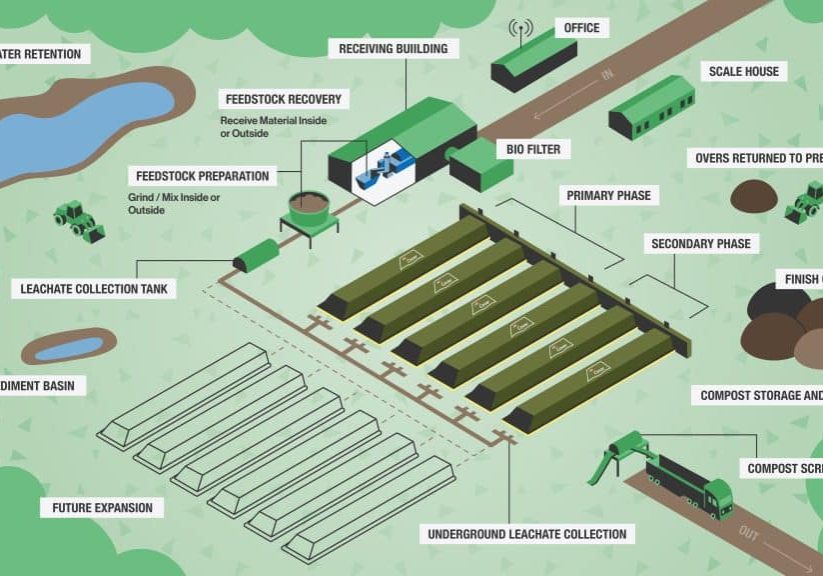
Why Smart Composting Facility Operators Keep Stormwater and Leachate Separate
During heavy storms, composting facilities face increased runoff and leachate.
What our customers are saying…

“The Sustainable Generation® team provided us with outstanding hands-on assistance as we learned to use their system. We retrofit our existing positive air ASP system, which used a compost cap, by upgrading to the SG Mobile® System with GORE® Cover so we could address environmental and community concerns about odors and vector control, and also so we could scale up and expand our composting operation."
Justin Green, Executive Director & Founder Big Reuse

"With disposal and transportation costs increasing with no end in sight, plus an abundance of yard debris from our community, we decided to try biosolids composting at our Wastewater Treatment Plant to reduce our costs and create a Class A product. We went with the SG Mobile® System with GORE® Covers. The ease of operation and the cost savings made this a natural fit. The final product has been a huge hit with the locals who can't get enough Class A compost. We recently doubled the size of our composting operation to keep up with our increasing volumes and demand. This system is easily scalable to meet future demands."
Mike Miller, Public Works Director, City of Florence, Oregon

"We had no composting experience, so conducting a demonstration project with Sustainable Generation® greatly enhanced our understanding of food waste composting and helped us immensely with our subsequent expansion design process. During the selection process, it made a difference that SG's technology was already a proven solution for meeting VOC emission reductions for our San Joaquin Valley Air Pollution Control District."
Jonathan Kalpakoff, VP Mid Valley Disposal
“The Sustainable Generation® team provided us with outstanding hands-on assistance as we learned to use their system. We retrofit our existing positive air ASP system, which used a compost cap, by upgrading to the SG Mobile® System with GORE® Cover so we could address environmental and community concerns about odors and vector control, and also so we could scale up and expand our composting operation."
Justin Green, Executive Director & Founder Big Reuse
"With disposal and transportation costs increasing with no end in sight, plus an abundance of yard debris from our community, we decided to try biosolids composting at our Wastewater Treatment Plant to reduce our costs and create a Class A product. We went with the SG Mobile® System with GORE® Covers. The ease of operation and the cost savings made this a natural fit. The final product has been a huge hit with the locals who can't get enough Class A compost. We recently doubled the size of our composting operation to keep up with our increasing volumes and demand. This system is easily scalable to meet future demands."
Mike Miller, Public Works Director, City of Florence, Oregon
"We had no composting experience, so conducting a demonstration project with Sustainable Generation® greatly enhanced our understanding of food waste composting and helped us immensely with our subsequent expansion design process. During the selection process, it made a difference that SG's technology was already a proven solution for meeting VOC emission reductions for our San Joaquin Valley Air Pollution Control District."