


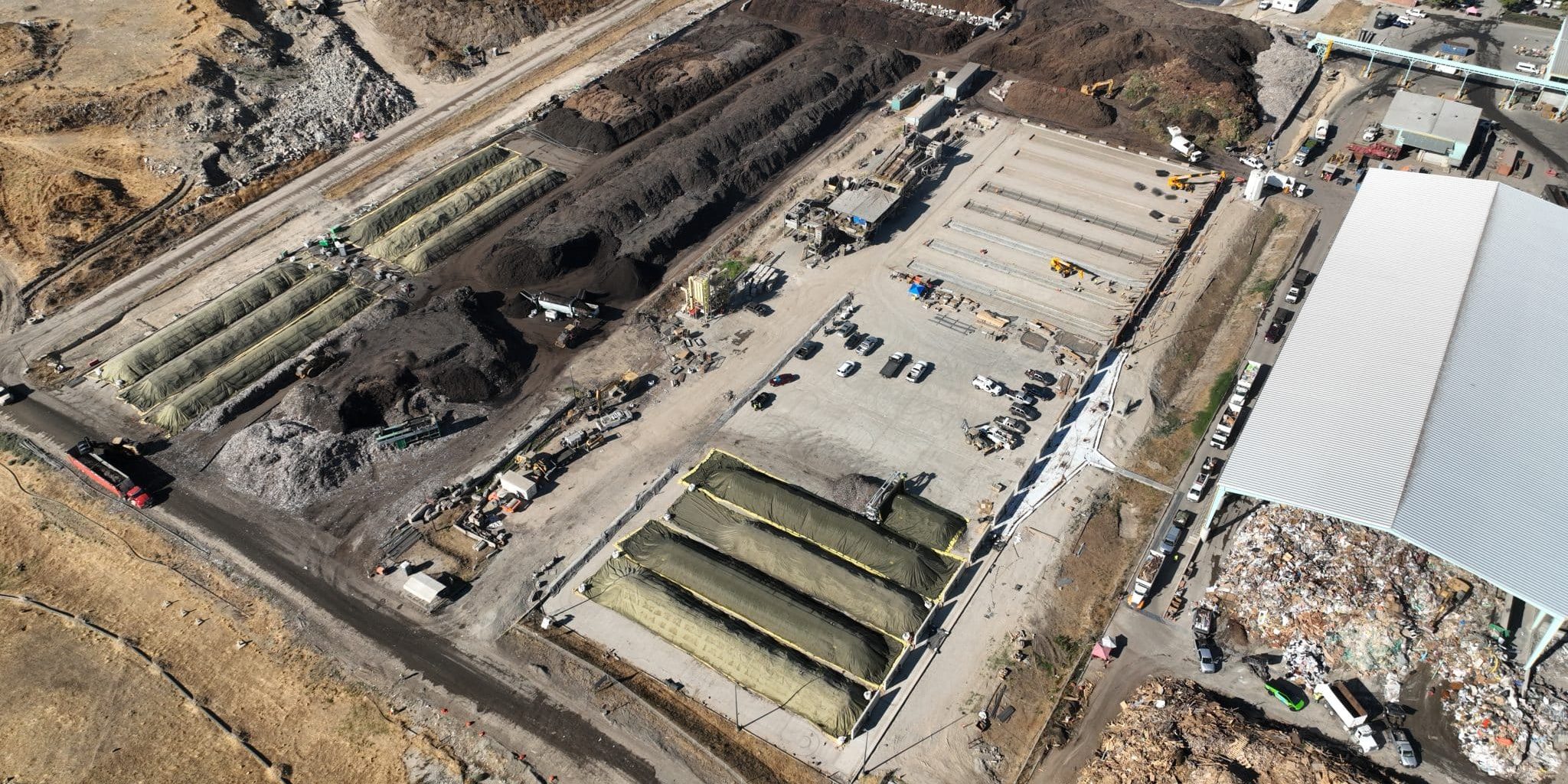
Part 3: Composting Technology as a Long-Term Pollution Control, Cost, and Regulatory Risk Decision
In the first two parts of this series, we reviewed composting system options through the lenses of capital cost, footprint, and baseline operations. This final section addresses the factors that most strongly influence long-term facility performance: pollution control effectiveness, regulatory risk, and operating cost over time.
From an owner’s and engineer’s perspective, composting systems should not be evaluated solely on nominal throughput or first-cost economics.
The more consequential question is:
Does the system embed pollution control and cost stability into the process design, or does it rely on ongoing operational intervention and downstream mitigation to remain compliant and functional?
Across facilities and jurisdictions, the same issues repeatedly drive both regulatory exposure and operating expense: odor events, air emissions exceedances, stormwater and leachate commingling, labor-intensive process controls, documentation gaps, and unplanned corrective investments. SG Advanced Composting™ Technology with GORE® Cover is designed to reduce these risks, and the associated operating costs, by integrating pollution control directly into both the composting system and the operational process.
GORE® Cover: A Pollution Control Device with Direct Operating Cost Implications

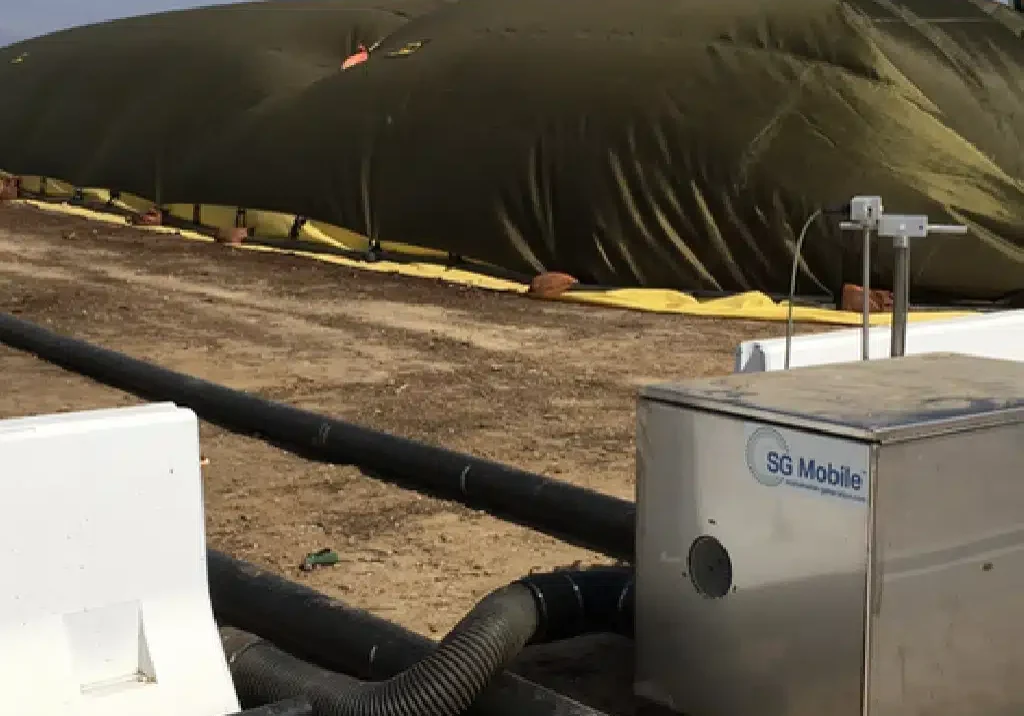
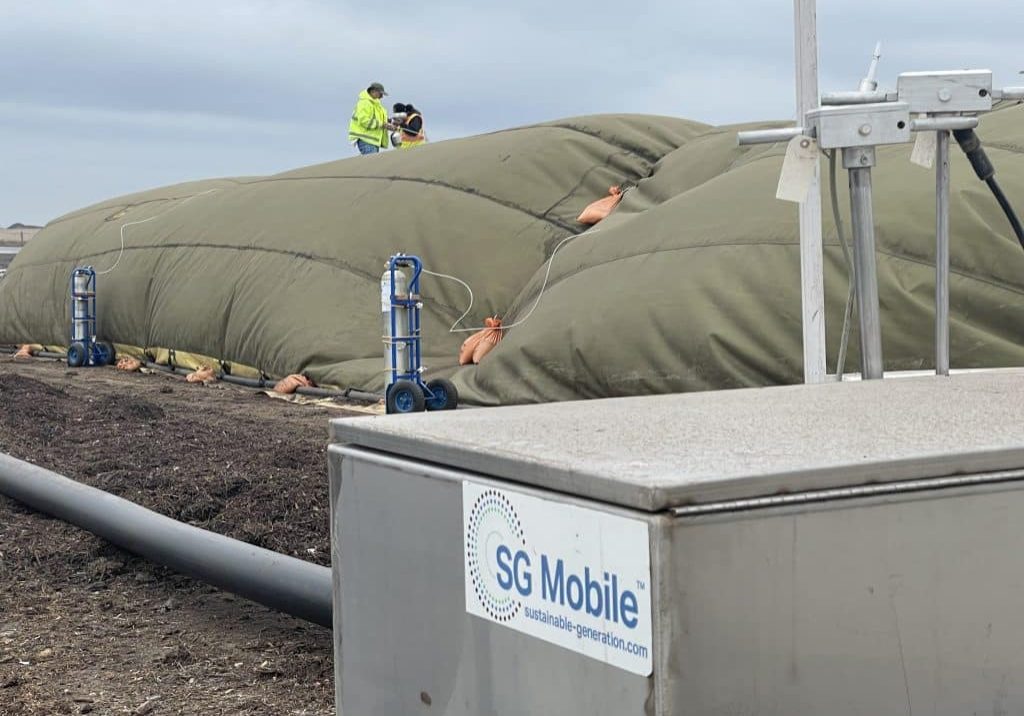
The GORE® Cover is not a tarp, weather cover, or compost cap. It is a purpose-engineered pollution control device designed to fully encapsulate the active composting phase while allowing controlled oxygen transfer. SG Advanced Composting™ Technology with GORE® Cover provides in-vessel performance without the need for a building or a biofilter.
Functionally, the GORE® Cover serves as a primary emissions control system. Odor-causing compounds, volatile organic compounds (VOCs), and bioaerosols are retained and treated at the pile surface, rather than being released and addressed downstream through biofilters, biolayers, or enclosed buildings. By controlling emissions at the source, facilities reduce reliance on secondary treatment systems that add capital cost, energy demand, maintenance, and operator attention.
At the same time, the cover provides a physical separation between stormwater and leachate, preventing precipitation from entering the compost mass. This directly reduces the volume of contact water generated, lowering pumping, storage, treatment, and disposal costs while simplifying water-related permitting and compliance.
The result is a system that consolidates the following pollution control functions into a single integrated component, reducing both operational complexity and ongoing cost:
- Air Emissions Control
- Water Separation
- Process Containment
Why Integrated Pollution Control Lowers Long-Term Operating Cost and Regulatory Risk
Facilities that operate reliably and cost-effectively over time are those where pollution control is inherent to the system design, rather than dependent on continual intervention.
The costs avoided below are not discretionary operating choices; they are structural, unavoidable OPEX embedded in systems that rely on downstream air treatment, surface caps, and contact water management. Eliminating these systems removes permanent energy, labor, and maintenance obligations from the facility’s life-cycle cost profile.
Cost Avoidance Callout: Ongoing Operating Costs Eliminated by Design
| Conventional Composting Systems(Downstream Controls Required) | SG Advanced Composting™ Technology with GORE® Cover (Integrated Pollution Control) |
|---|---|
Permanent Operating Cost Centers:
|
Permanent Operating Cost Centers:
|
| Watering systems required to sustain biological performance of biofilters and biocaps | No watering systems |
| Contact water generated by rainfall and irrigation interacting with compost and control media, creating unavoidable handling and treatment expense | No incremental contact water generation. Precipitation is physically excluded from the compost mass |
| Higher recurring cost treatment of leachate and contact water | Reduced water infrastructure and operating expense due to clear stormwater–leachate separation |
| Ongoing operator attention required to maintain emissions compliance | Lower labor intensity with fewer systems to monitor, adjust, or recover |
Air Emissions and Odor Control at the Source
Independent third-party testing has documented 90–99% odor reduction, greater than 95% reduction in VOC and GHG emissions, and greater than 99% retention of dust and bioaerosols relative to open windrow systems. Consistent emissions control reduces the need for corrective actions, emergency responses, supplemental controls, and defensive operating practices that increase labor and expense over time.
Stormwater and Leachate Management as a Cost Driver
By preventing precipitation from entering the compost pile, Sustainable Generation® Systems maintain a clear separation between stormwater and leachate. This reduces water handling infrastructure requirements, treatment costs, and operator time spent reacting to weather events.
Reduced Labor Intensity and Operational Sensitivity
Because pollution control is embedded in the system design, SG Advanced Composting™ Technology reduces the number of routine, labor-intensive interventions required to maintain performance. Integrated monitoring supports documentation and verification, lowering the risk of missed steps, rework, or compliance-driven operational changes.
Throughput Stability and Avoided Corrective Costs
Predictable residence times minimize material inventory and reduce the likelihood of unplanned capital expenditures, retrofits, or operating restrictions.
Permitting Efficiency and Long-Term Cost Certainty
With more than 400 installations using GORE® Cover Technology since 1998, SG Advanced Composting™ Technology provides a documented compliance history that reduces regulatory uncertainty and long-term compliance costs.
Conclusion
SG Advanced Composting™ Technology with GORE® Cover reduces operating cost and regulatory risk by functioning as a proven pollution control device integrated directly into the composting process by controlling emissions and water impacts at the source and minimizing the need for corrective action.
A Practical Evaluation Approach
If you are planning a new facility or evaluating an expansion, the lowest-risk path is not guessing which system is the right one. It is validating performance under your real feedstocks, your site conditions, and your regulatory environment.
The SG Pilot™ System allows owners, engineers, consultants, and regulators to evaluate emissions control, water management, operating effort, and cost drivers under real operating conditions to help support decisions that remain technically and economically defensible over the full life of the facility.
If you are ready to evaluate options with your specific tonnage, feedstocks, site constraints, and permitting realities in mind, we are here to help. To learn more about the SG Pilot™ Systems, or other SG Advanced Composting™ Technology, contact the SG Sales team at info@sustainable-generation.com
Contact Us
Our Blog
Projects, Technology, and News
Explore our blog to discover more about our projects, technology advancements, and exciting news.

Part 3: Composting Technology as a Long-Term Pollution Control, Cost, and Regulatory Risk Decision
Part 3: Composting Technology as a Long-Term Pollution Control, Cost, and Regulatory Risk Decision…

PART 2: What Happens After Startup: How Technology Choices Drive Performance and Risk in Year 1, Year 5, and Year 15
PART 2: What Happens After Startup: How Technology Choices Drive Performance and Risk in…
PART 1: COMPOSTING INFRASTRUCTURE DECISIONS THAT HAUNT BUDGETS FOR DECADES
PART 1: COMPOSTING INFRASTRUCTURE DECISIONS THAT HAUNT BUDGETS FOR DECADES Across the globe, a…

Celebrating the Season Without Wasting It
Celebrating the Season Without Wasting It The holiday season brings full tables, festive decor,…
Building a Greener Future Together: Kern County Launches SG-Powered Compost Facility
Sustainable Generation is proud to celebrate the grand opening of the Shafter-Wasco Compost Facility
Making Waves, the Membrane Covered ASP Composting Tsunami
ASP composting relies on forced aeration to maintain aerobic conditions and optimize biological activity.
INTERVIEW WITH A BIOSOLIDS EXPERT
Biosolids expert Dan Collins, P.E., shares insights on safe, efficient composting.
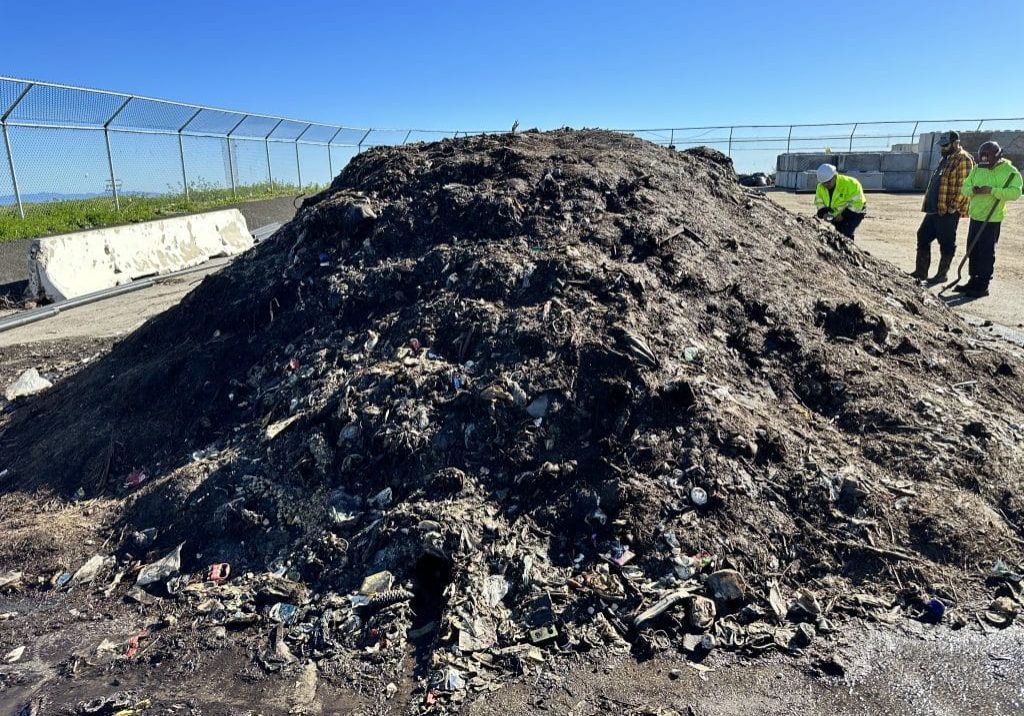
Summary of Performance GORE® Cover and Negative ASP
GORE® Cover was evaluated to quantify the performance versus an existing negatively aerated static
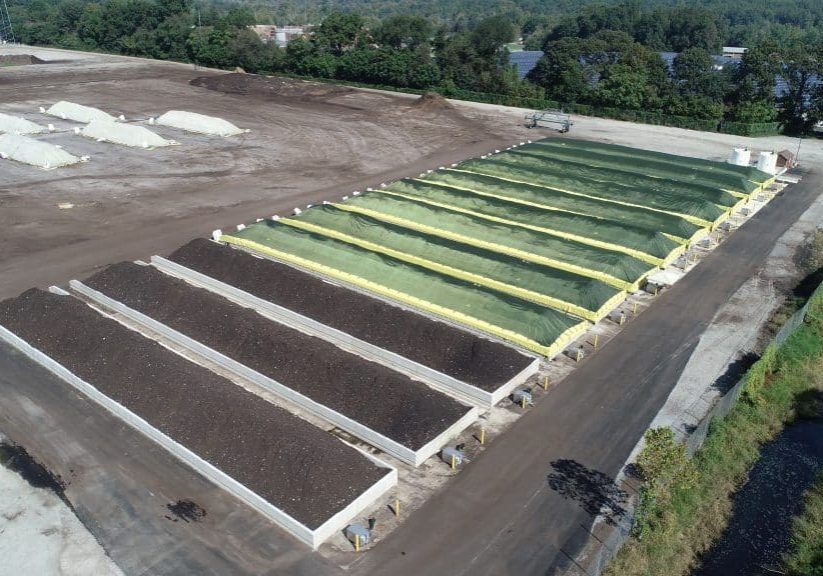
Composting Facility Delivers Significant Environmental Protection
The East Coast’s largest food waste composting site processes 57,000 tons of organics annually.
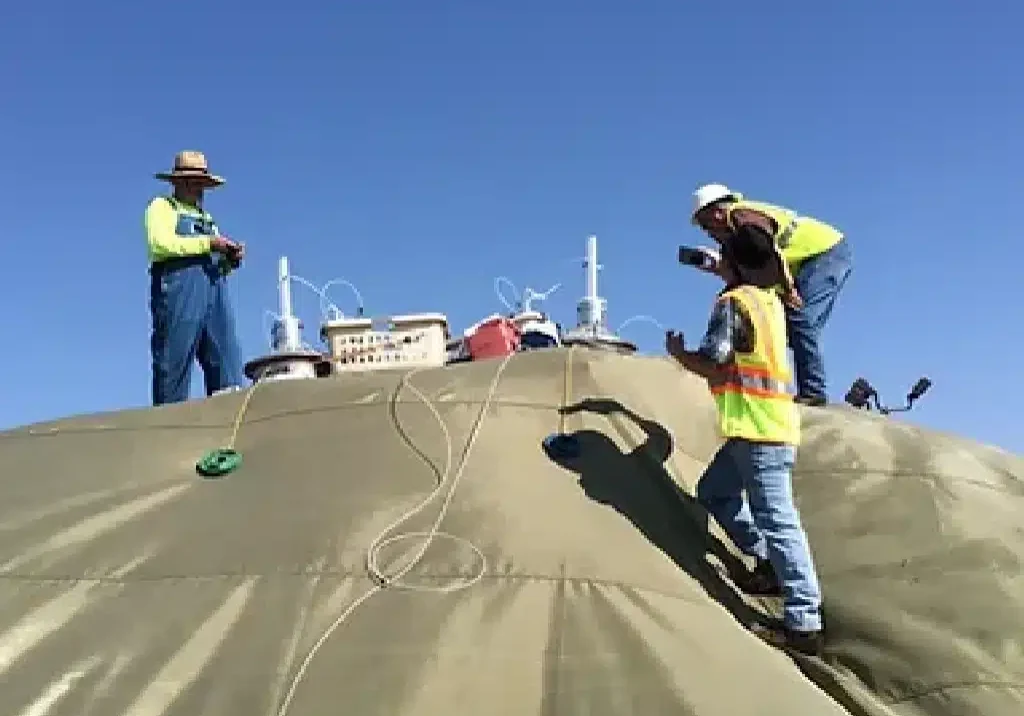
Exceeding Air Quality VOC Emission Regulatory Compliance in California
SG systems consistently meet and exceed California air quality regulations.
Positive ASP Composting: the Future of Organics
Two of the biggest issues faced by commercial composting operators are emissions (odor and
Proven Results: Over 20 Years Reducing Odors and Emissions in California
Sustainable Generation, LLC and the GORE® Cover have a long track record of success.
Why Smart Composting Facility Operators Keep Stormwater and Leachate Separate
During heavy storms, composting facilities face increased runoff and leachate.

What our customers are saying…

“The Sustainable Generation® team provided us with outstanding hands-on assistance as we learned to use their system. We retrofit our existing positive air ASP system, which used a compost cap, by upgrading to the SG Mobile® System with GORE® Cover so we could address environmental and community concerns about odors and vector control, and also so we could scale up and expand our composting operation."
Justin Green, Executive Director & Founder Big Reuse

"With disposal and transportation costs increasing with no end in sight, plus an abundance of yard debris from our community, we decided to try biosolids composting at our Wastewater Treatment Plant to reduce our costs and create a Class A product. We went with the SG Mobile® System with GORE® Covers. The ease of operation and the cost savings made this a natural fit. The final product has been a huge hit with the locals who can't get enough Class A compost. We recently doubled the size of our composting operation to keep up with our increasing volumes and demand. This system is easily scalable to meet future demands."
Mike Miller, Public Works Director, City of Florence, Oregon

"We had no composting experience, so conducting a demonstration project with Sustainable Generation® greatly enhanced our understanding of food waste composting and helped us immensely with our subsequent expansion design process. During the selection process, it made a difference that SG's technology was already a proven solution for meeting VOC emission reductions for our San Joaquin Valley Air Pollution Control District."
Jonathan Kalpakoff, VP Mid Valley Disposal
“The Sustainable Generation® team provided us with outstanding hands-on assistance as we learned to use their system. We retrofit our existing positive air ASP system, which used a compost cap, by upgrading to the SG Mobile® System with GORE® Cover so we could address environmental and community concerns about odors and vector control, and also so we could scale up and expand our composting operation."
Justin Green, Executive Director & Founder Big Reuse
"With disposal and transportation costs increasing with no end in sight, plus an abundance of yard debris from our community, we decided to try biosolids composting at our Wastewater Treatment Plant to reduce our costs and create a Class A product. We went with the SG Mobile® System with GORE® Covers. The ease of operation and the cost savings made this a natural fit. The final product has been a huge hit with the locals who can't get enough Class A compost. We recently doubled the size of our composting operation to keep up with our increasing volumes and demand. This system is easily scalable to meet future demands."
Mike Miller, Public Works Director, City of Florence, Oregon
"We had no composting experience, so conducting a demonstration project with Sustainable Generation® greatly enhanced our understanding of food waste composting and helped us immensely with our subsequent expansion design process. During the selection process, it made a difference that SG's technology was already a proven solution for meeting VOC emission reductions for our San Joaquin Valley Air Pollution Control District."