


PART 1: COMPOSTING INFRASTRUCTURE DECISIONS THAT HAUNT BUDGETS FOR DECADES
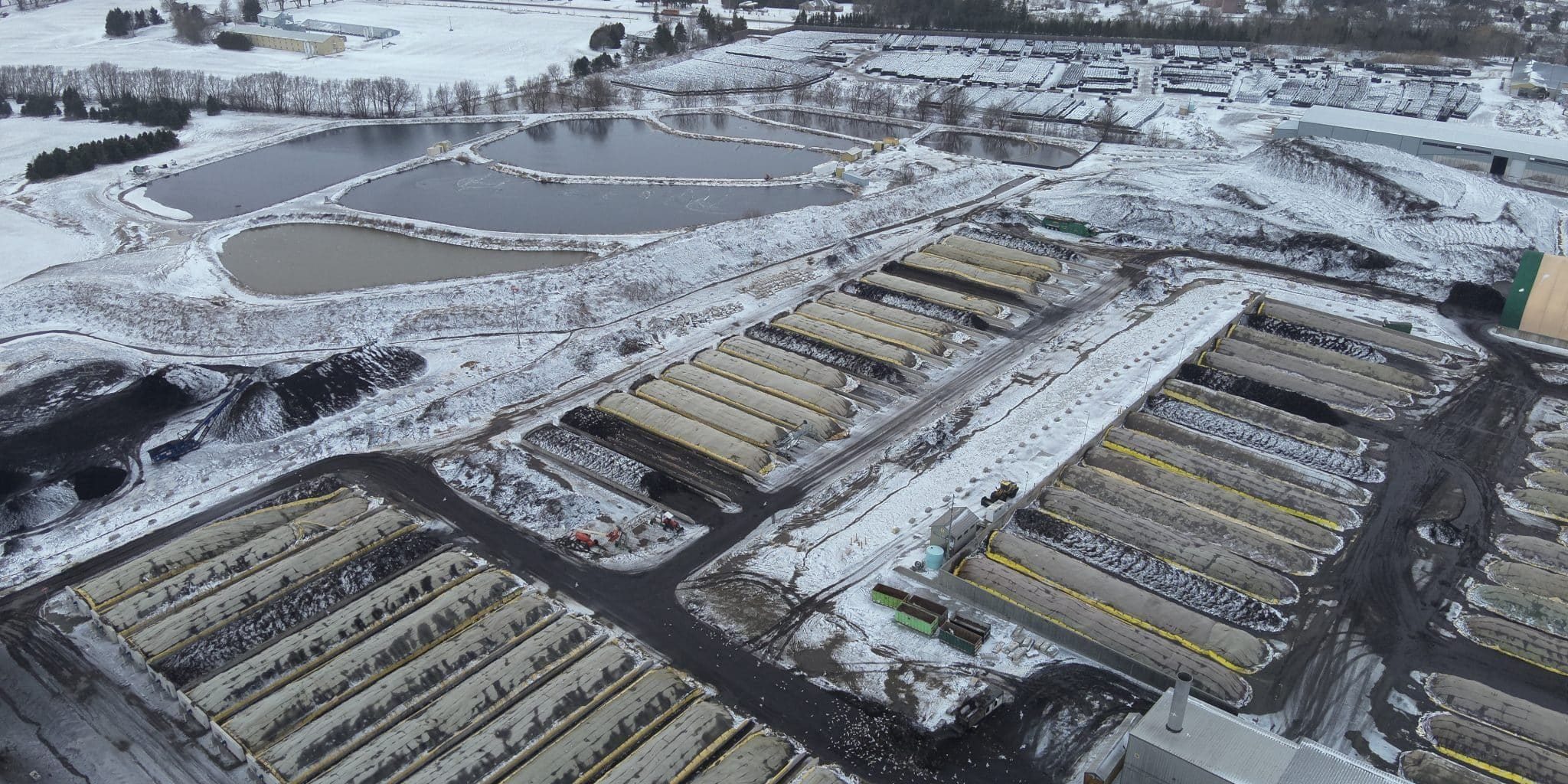
Across the globe, a once-in-a-generation buildout of organics infrastructure is underway in both the public and private sectors. The facilities being designed right now will shape composting, hauling patterns, community expectations, and regulatory outcomes for the next 20–30 years.
This article launches a three-part series on the true cost of composting technology decisions and why upfront price alone rarely tells the full story. Communities and operators are making infrastructure choices right now that will define how their sites perform, how smoothly they permit, and how much public trust they retain over decades.
Rather than focusing on initial capital cost, this series looks at what actually drives long-term performance and total cost of ownership over the lifetime of the facility, typically 20+ years. If you are planning or evaluating a composting project, this series will help you make decisions that hold up under real-world conditions, not just on paper.
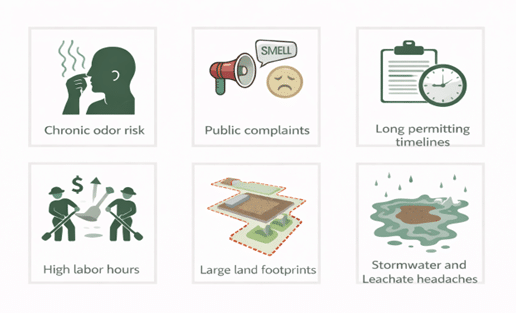
Here’s the uncomfortable truth: Most composting projects don’t run into trouble because composting itself “doesn’t work.” They struggle because the process or technology selected can’t reliably deliver performance once real-world problems show up. When we talk with operators who have been through it, the same issues come up again and again.
Key Challenges to Consistently Meet Composting Performance Goals
- Close Proximity to Neighbors
- Tipping Fees That Leave Little Margin for Error
- Chronic Labor Costs and Shortages
- Increased Scrutiny of Stormwater and Leachate Management
- Tightening Air Quality and GHG Emission Regulations
This debate is not about a “technology preference”, it is a critical long-term risk management decision that could be the difference between a budget surplus and scrambling to find operating funds years down the line. Get it right and the facility can operate predictably for decades. Get it wrong, the costs show up later in the form of expansion delays, community opposition, retrofits, enforcement actions, and unplanned operating expenses that quietly erode the original business case.
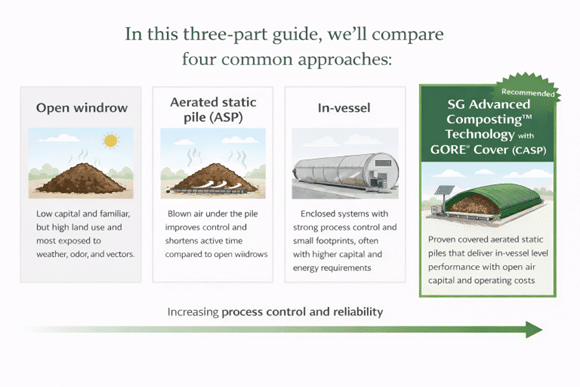
We will show you how SG Advanced Composting™ Technology not only gives you a superior product but also gives a lower cost of ownership over time by using the same determining decision factors that industry leaders use every day: total cost of ownership, land efficiency, labor, permitting resilience, emissions/odor control, and water management.
The Mistake That Buyers Make Again and Again: Optimizing CAPEX Instead of Outcomes:
It is understandable why upfront price often drives purchasing decisions. Budgets are real, capital is finite, and composting facilities compete with many other priorities for funding and attention. On paper a lower initial cost can look like the prudent choice.
In practice, a low upfront price can become the most expensive decision you make when it leads to:
- Higher ongoing labor and operating costs
- Expansion delays or added compliance requirements
- Odor and GHG emissions issues that trigger complaints and enforcement
- Stormwater and leachate problems that require retrofits
- Reduced throughput, uptime, or usable capacity
When outcomes are sacrificed to minimized CAPEX, the cost does not disappear. It simply shows up later, after the facility is built, when the options to fix it are fewer, slower, and far more expensive.
Facilities that fixate on the capital cost often learn the hard way that buying the least expensive system, means that they have only put an initial investment on a costly headache that eats up money, manpower and is difficult to predict over time.
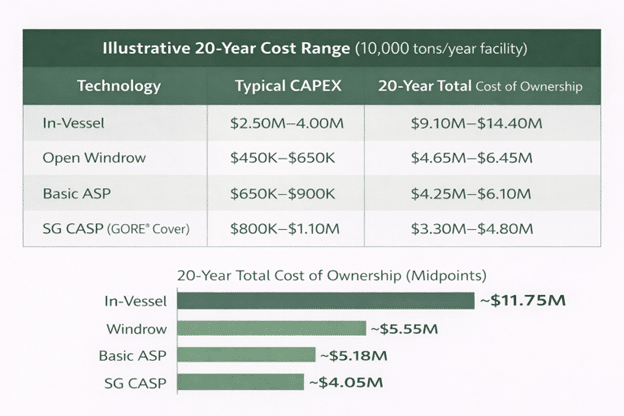
As the chart below illustrates, Sustainable Generation delivers a lower total cost of ownership over the life of the facility, even outperforming basic aerated static pile systems once real operating conditions are factored in. That advantage comes from designing for the full operating reality, not just day-one cost.
While some technologies are marketed as “faster,” composting still follows biological limits, and apparent speed often comes from shifting supposed time saving into hidden work later in the process, extra handling, or secondary equipment. When technology decisions focus too narrowly on upfront cost, operators frequently face rising labor demands, odor or emissions challenges, permitting risk, and costly retrofits later. SG offers a better path by addressing total cost of ownership, land efficiency, labor, compliance, and water management together, and by allowing operators to validate real-world performance through the SG Pilot™ Program before committing to a full-scale build-out.
In this first installment, we looked at why composting projects struggle not because composting fails, but because the chosen system cannot consistently perform under real-world constraints. We also highlighted a common mistake buyers make by prioritizing upfront capital cost over long-term outcomes.
In February, we will continue the series by taking the next step in the conversation and exploring how technology decisions shape performance and risk once a facility is up and running.
Contáctenos
Our Blog
Projects, Technology, and News
Explore our blog to discover more about our projects, technology advancements, and exciting news.
Speed Gets Attention. Consistency Keeps the Facility Running.
Speed Gets Attention. Consistency Keeps the Facility Running. Processing speed is one of the…
A New Perspective on Mobile Organics Processing: The Untapped Potential of SG Mobile®
A New Perspective on Mobile Organics Processing: The Untapped Potential of SG Mobile® Most…
Air Quality Rules Are Reshaping Compost Facility Design
Air Quality Rules Are Reshaping Compost Facility Design Air quality rules are becoming a…

Part 3: Composting Technology as a Long-Term Pollution Control, Cost, and Regulatory Risk Decision
Part 3: Composting Technology as a Long-Term Pollution Control, Cost, and Regulatory Risk Decision…

PART 2: What Happens After Startup: How Technology Choices Drive Performance and Risk in Year 1, Year 5, and Year 15
PART 2: What Happens After Startup: How Technology Choices Drive Performance and Risk in…
PART 1: COMPOSTING INFRASTRUCTURE DECISIONS THAT HAUNT BUDGETS FOR DECADES
PART 1: COMPOSTING INFRASTRUCTURE DECISIONS THAT HAUNT BUDGETS FOR DECADES Across the globe, a…

Celebrating the Season Without Wasting It
Celebrating the Season Without Wasting It The holiday season brings full tables, festive decor,…
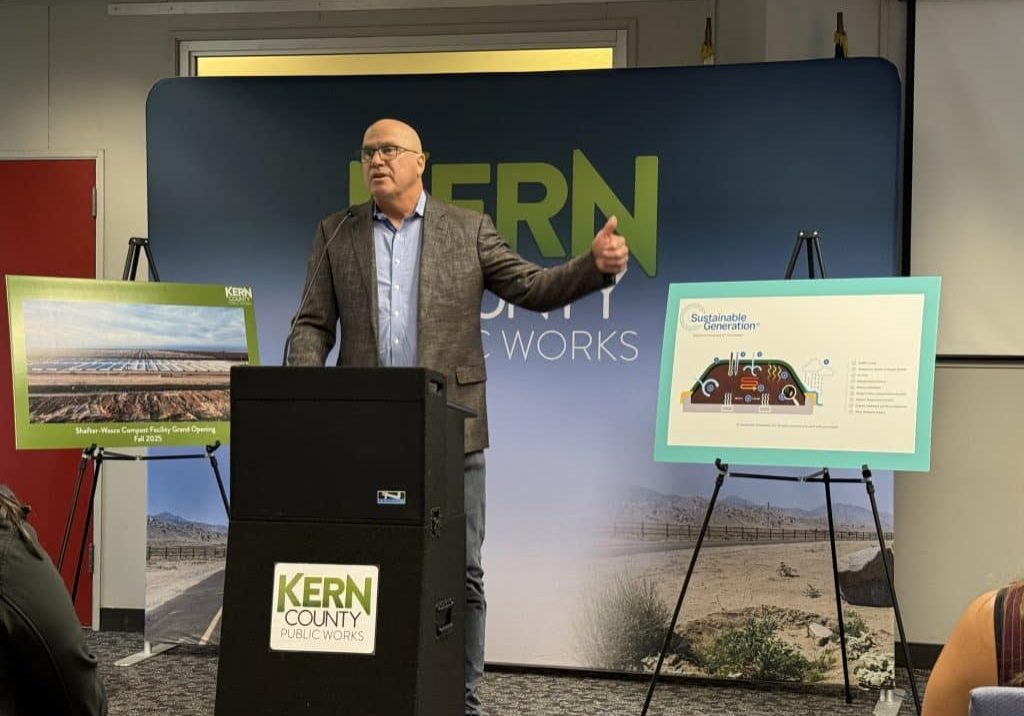
Building a Greener Future Together: Kern County Launches SG-Powered Compost Facility
Sustainable Generation is proud to celebrate the grand opening of the Shafter-Wasco Compost Facility
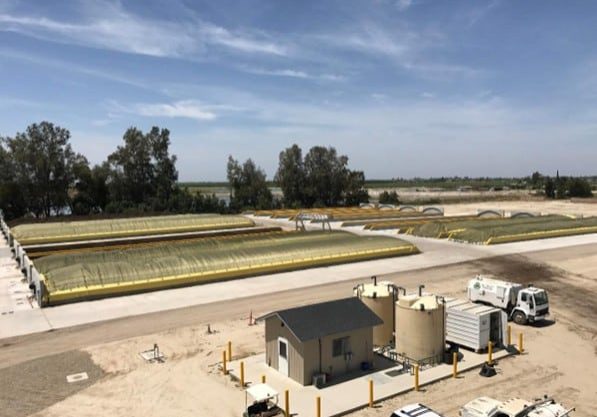
Making Waves, the Membrane Covered ASP Composting Tsunami
ASP composting relies on forced aeration to maintain aerobic conditions and optimize biological activity.
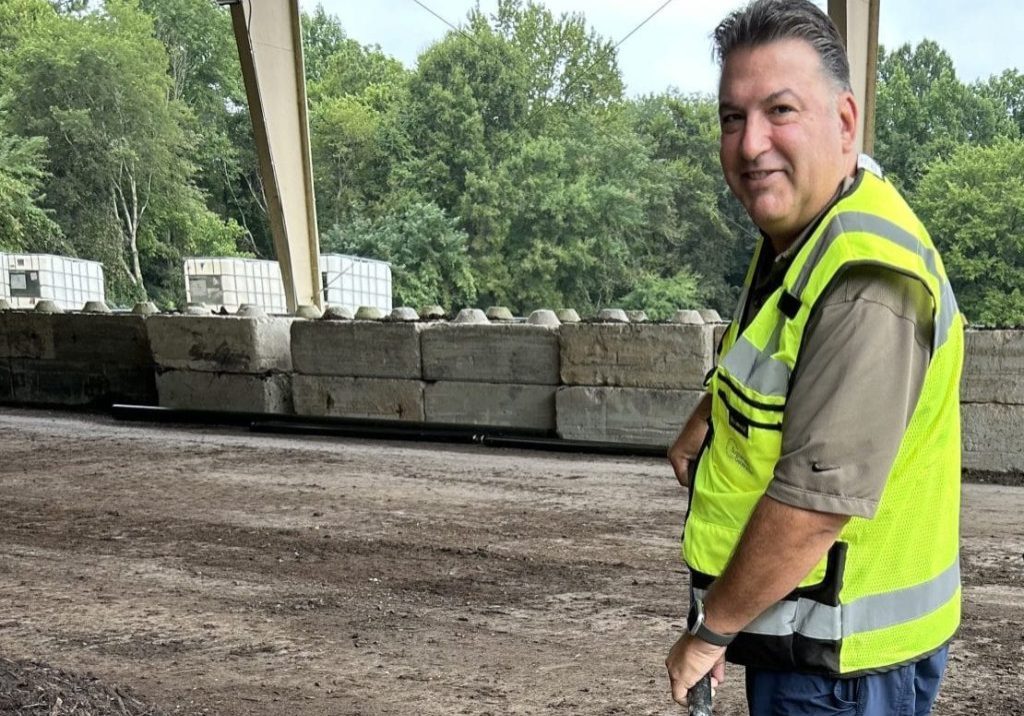
INTERVIEW WITH A BIOSOLIDS EXPERT
Biosolids expert Dan Collins, P.E., shares insights on safe, efficient composting.
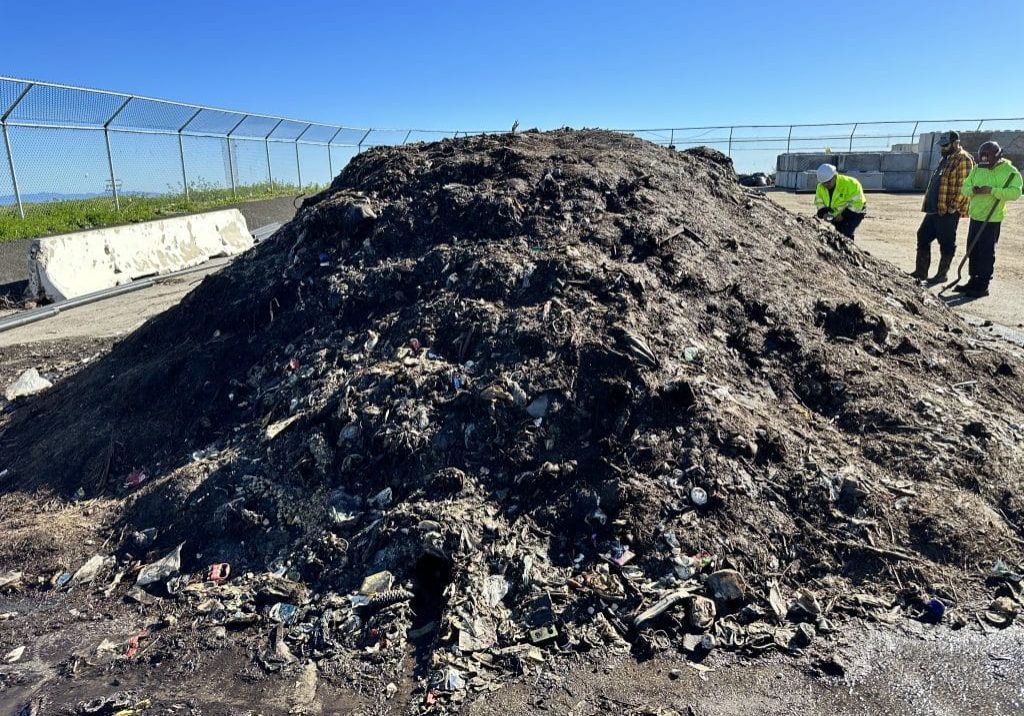
Summary of Performance GORE® Cover and Negative ASP
GORE® Cover was evaluated to quantify the performance versus an existing negatively aerated static
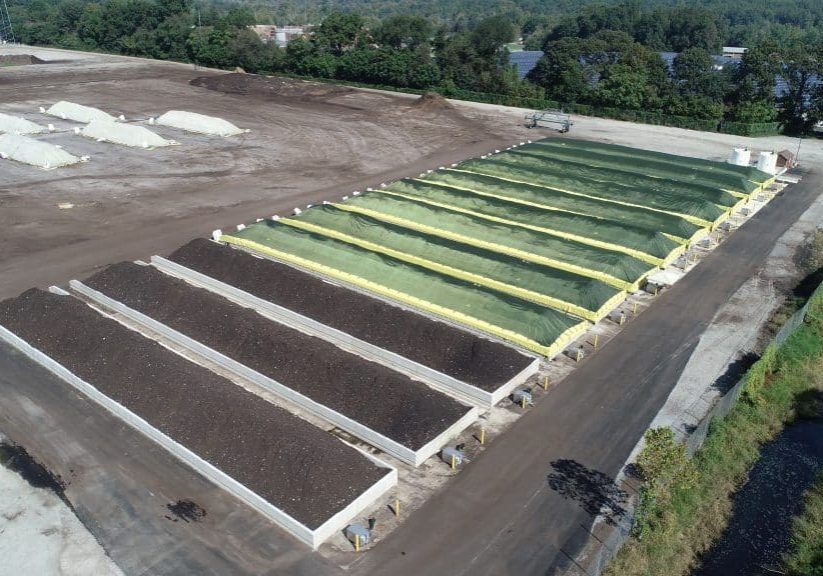
Composting Facility Delivers Significant Environmental Protection
The East Coast’s largest food waste composting site processes 57,000 tons of organics annually.
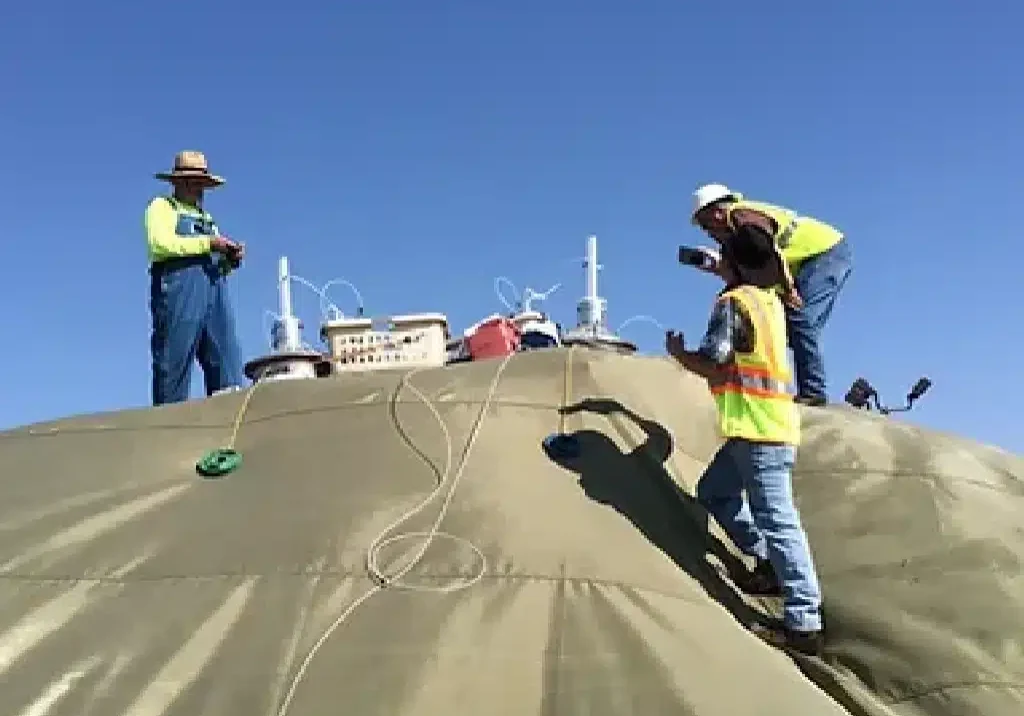
Exceeding Air Quality VOC Emission Regulatory Compliance in California
SG systems consistently meet and exceed California air quality regulations.
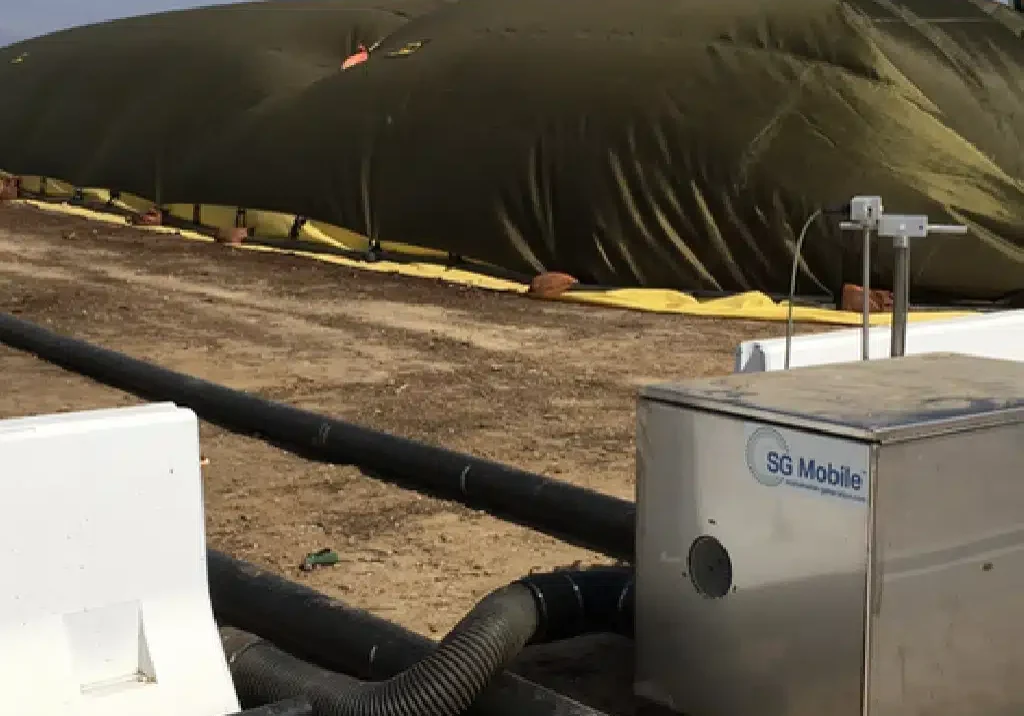
Positive ASP Composting: the Future of Organics
Two of the biggest issues faced by commercial composting operators are emissions (odor and
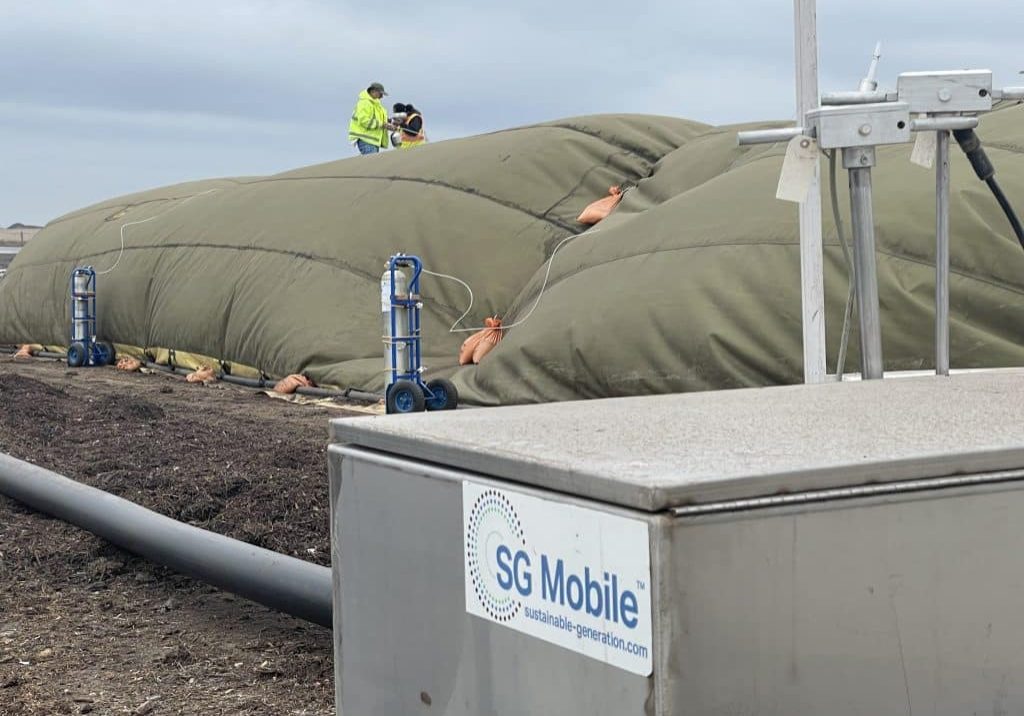
Proven Results: Over 20 Years Reducing Odors and Emissions in California
Sustainable Generation, LLC and the GORE® Cover have a long track record of success.
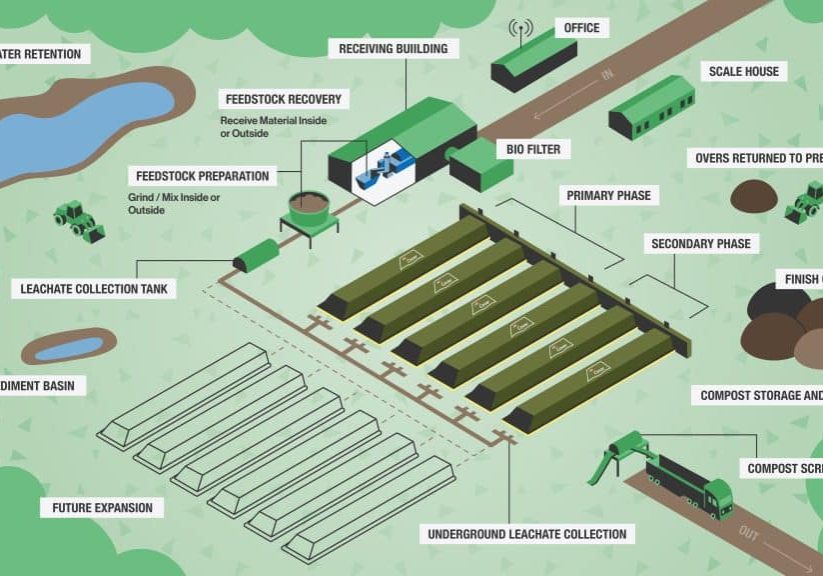
Why Smart Composting Facility Operators Keep Stormwater and Leachate Separate
During heavy storms, composting facilities face increased runoff and leachate.
Lo que dicen nuestros clientes...

“El equipo de Sustainable Generation® nos brindó una asistencia práctica excepcional mientras aprendíamos a utilizar su sistema. Modernizamos nuestro sistema ASP de aire positivo existente, que utilizaba una cubierta para compost, actualizándolo al sistema SG Mobile® con cubierta GORE® para poder abordar las preocupaciones medioambientales y comunitarias sobre los olores y el control de vectores, y también para poder ampliar y expandir nuestra operación de compostaje."
Justin Green, director ejecutivo y fundador de Big Reuse

"Con el aumento constante de los costos de eliminación y transporte, además de la abundancia de residuos de jardinería de nuestra comunidad, decidimos probar el compostaje de biosólidos en nuestra planta de tratamiento de aguas residuales para reducir nuestros costos y crear un producto de clase A. Nos decidimos por el sistema SG Mobile® con cubiertas GORE®. La facilidad de uso y el ahorro de costos lo convirtieron en la opción ideal. El producto final ha tenido un gran éxito entre los habitantes de la zona, que no se cansan del compost de clase A. Recientemente hemos duplicado el tamaño de nuestra operación de compostaje para satisfacer el aumento de volumen y demanda. Este sistema es fácilmente ampliable para satisfacer las demandas futuras"."
Mike Miller, Director de Obras Públicas, Ciudad de Florence, Oregón

"No teníamos experiencia en compostaje, por lo que llevar a cabo un proyecto de demostración con Sustainable Generation® mejoró enormemente nuestra comprensión del compostaje de residuos alimenticios y nos ayudó muchísimo en nuestro posterior proceso de diseño de expansión. Durante el proceso de selección, fue determinante que la tecnología de SG ya fuera una solución probada para cumplir con las reducciones de emisiones de COV de nuestro Distrito de Control de Contaminación del Aire del Valle de San Joaquín"."
Jonathan Kalpakoff, vicepresidente de Mid Valley Disposal
“El equipo de Sustainable Generation® nos brindó una asistencia práctica excepcional mientras aprendíamos a utilizar su sistema. Modernizamos nuestro sistema ASP de aire positivo existente, que utilizaba una cubierta para compost, actualizándolo al sistema SG Mobile® con cubierta GORE® para poder abordar las preocupaciones medioambientales y comunitarias sobre los olores y el control de vectores, y también para poder ampliar y expandir nuestra operación de compostaje."
Justin Green, director ejecutivo y fundador de Big Reuse
"Con el aumento constante de los costos de eliminación y transporte, además de la abundancia de residuos de jardinería de nuestra comunidad, decidimos probar el compostaje de biosólidos en nuestra planta de tratamiento de aguas residuales para reducir nuestros costos y crear un producto de clase A. Nos decidimos por el sistema SG Mobile® con cubiertas GORE®. La facilidad de uso y el ahorro de costos lo convirtieron en la opción ideal. El producto final ha tenido un gran éxito entre los habitantes de la zona, que no se cansan del compost de clase A. Recientemente hemos duplicado el tamaño de nuestra operación de compostaje para satisfacer el aumento de volumen y demanda. Este sistema es fácilmente ampliable para satisfacer las demandas futuras"."
Mike Miller, Director de Obras Públicas, Ciudad de Florence, Oregón
"No teníamos experiencia en compostaje, por lo que llevar a cabo un proyecto de demostración con Sustainable Generation® mejoró enormemente nuestra comprensión del compostaje de residuos alimenticios y nos ayudó muchísimo en nuestro posterior proceso de diseño de expansión. Durante el proceso de selección, fue determinante que la tecnología de SG ya fuera una solución probada para cumplir con las reducciones de emisiones de COV de nuestro Distrito de Control de Contaminación del Aire del Valle de San Joaquín"."